
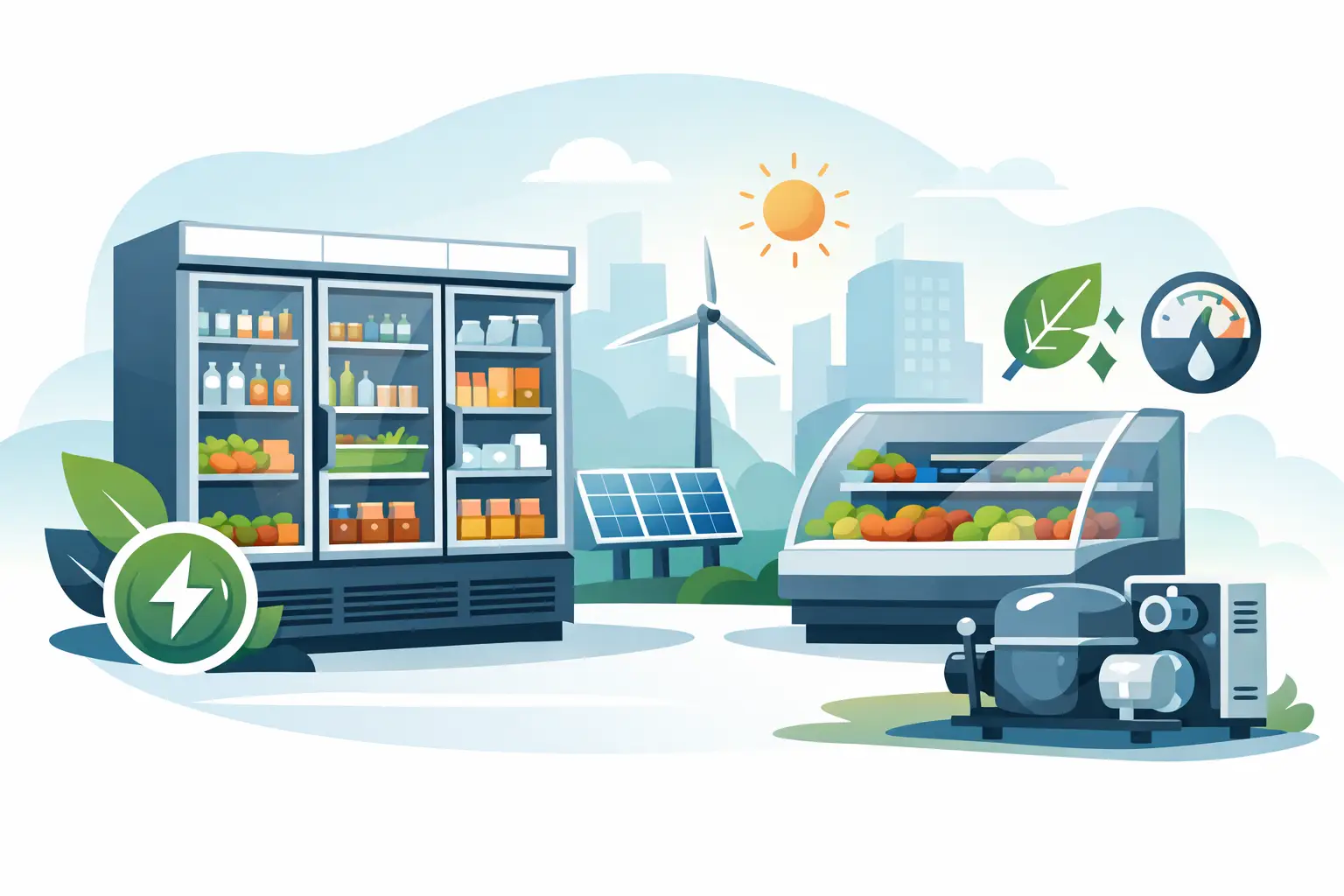
A refrigerator that runs nonstop can quietly become one of the highest utility costs in a restaurant, break room, market, clinic, or property-managed space. Choosing energy efficient commercial refrigeration equipment helps control that expense without putting food, beverages, or temperature-sensitive supplies at risk. The right unit also makes daily work easier by holding safe temperatures consistently and fitting the way your team actually uses the space.
Commercial refrigeration is not a one-size-fits-all purchase. A compact undercounter refrigerator may suit a small café prep area, while a reach-in unit, glass-door merchandiser, or chest freezer may be the better fit for a larger operation. Start with the job the equipment needs to do, then compare efficiency features, capacity, and installation requirements.
Why Energy Efficiency Matters in Commercial Refrigeration
Refrigeration works around the clock. Even small improvements in energy use can add up over years of operation, especially when a business runs several refrigerated units. Efficient equipment can lower electricity consumption, reduce heat released into the room, and ease the workload on nearby air-conditioning equipment.
The savings matter, but reliability matters just as much. Temperature swings can lead to spoiled inventory, product waste, and avoidable replacement costs. Well-designed commercial units use better insulation, efficient compressors, properly sealed doors, and airflow systems that help maintain stable internal temperatures.
An efficient model may cost more upfront than a basic unit. That does not automatically make it the right choice. The better value depends on your expected usage, local power costs, the equipment’s lifespan, and whether the capacity matches your needs. Buying a unit that is too large can waste energy. Buying one that is too small can create crowding, poor airflow, and unnecessary strain.
Choosing Energy Efficient Commercial Refrigeration Equipment
Before comparing brands or features, identify what you are storing and how often the door will open. A back-of-house refrigerator used by a busy kitchen has different demands than a display cooler in a low-traffic office lobby. This single detail affects the best door style, temperature range, and compressor design for your purchase.
Match the equipment type to the task
Reach-in refrigerators and freezers are practical for kitchens, cafeterias, convenience areas, and stockrooms that need frequent access. Solid doors generally retain cold air better than glass doors, making them a strong choice for storage. Glass-door merchandisers make products visible and can support sales, but they may use more energy depending on door design, lighting, and customer traffic.
Undercounter refrigerators work well where floor space is limited and employees need ingredients or beverages within arm’s reach. Worktop models can add usable prep space. Chest freezers are often efficient for long-term frozen storage because cold air stays low when the lid is opened, though their layout may be less convenient for quick item retrieval.
Choose a temperature range designed for the products you carry. Refrigerators and freezers are built for different operating conditions. Using the wrong type of equipment for the job can reduce performance and shorten its service life.
Look for practical efficiency features
A few construction details make a meaningful difference in daily operation. High-quality insulation helps the cabinet hold temperature with less compressor runtime. Self-closing doors reduce energy loss when staff members are moving quickly. Durable door gaskets create a tight seal and should be easy to inspect and replace.
LED interior lighting is another useful feature, especially in glass-door units that remain illuminated for long periods. It uses less energy and produces less heat than older lighting options. Electronically controlled temperatures can also improve accuracy, helping staff monitor conditions and reduce guesswork.
For many buyers, an ENERGY STAR certified unit is a helpful starting point. Certification can make comparisons easier because the equipment has met established efficiency standards. Still, it should not be the only factor. Confirm that the dimensions, usable storage space, electrical requirements, and temperature performance fit your operation.
Consider the room around the unit
Commercial refrigeration equipment needs room to breathe. A unit installed against a wall without proper clearance may struggle to release heat, causing it to run longer and use more power. Tight storage rooms, hot kitchens, direct sunlight, and poorly ventilated areas can all affect performance.
Measure the installation area carefully. Include door swing, aisle space, ventilation clearance, and the path needed to bring the unit into the building. Check the electrical supply as well. A new refrigerator or freezer may require a dedicated outlet or a specific voltage configuration.
If your location has uneven floors, confirm that the unit can be leveled. A refrigerator that does not sit properly can affect door seals and drainage. These details may feel minor during shopping, but they can prevent expensive setup problems later.
Capacity: Buy for Real Inventory, Not Just Exterior Size
Exterior dimensions do not tell the full story. Shelving layout, compressor placement, door configuration, and interior obstructions can all reduce usable storage. Think about the volume and shape of the products you need to store, including pans, beverage cases, boxed supplies, or bulk ingredients.
Plan for normal stock levels plus reasonable growth, but avoid oversizing just to have empty space. Refrigerators work best when air can circulate freely around products. Overpacking blocks airflow, yet a large half-empty unit may cost more to operate than necessary.
For businesses with shifting demand, two smaller units can sometimes be more practical than one oversized unit. This approach can provide backup capacity if one unit needs service and lets you run only the space you need during slower periods. On the other hand, one larger unit may simplify cleaning, placement, and inventory organization. The right answer depends on your space and daily workflow.
Operating Habits That Protect Efficiency
The purchase is only the first step. Good operating habits keep energy efficient commercial refrigeration equipment performing as intended. Train employees to close doors fully, avoid holding doors open during restocking, and keep hot products out until they have cooled appropriately.
Clean condenser coils on the manufacturer’s recommended schedule. Dust, grease, and debris make it harder for the refrigeration system to remove heat. In a kitchen or high-dust environment, coils may need attention more often than they would in a clean office setting.
Check door gaskets regularly for cracks, gaps, or loosened edges. A worn gasket allows cold air to escape and forces the compressor to run harder. Also keep the cabinet organized. Clear labels and assigned shelf locations help employees find items quickly, reducing the time doors remain open.
Use a reliable thermometer or built-in temperature display to spot problems early. If a unit begins cycling constantly, develops excess frost, makes unusual noise, or cannot maintain its set temperature, schedule service before inventory is affected. Waiting for a complete breakdown often costs more than addressing an early warning sign.
Compare Total Cost, Not the Price Tag Alone
The lowest listed price can be appealing when budgets are tight. But commercial refrigeration is a long-term operational purchase, not just a one-time expense. Compare estimated energy use, warranty coverage, expected maintenance needs, delivery access, and available parts along with the initial price.
A lower-priced unit may be a smart choice for light-duty use in a small office or low-volume retail setting. For a busy foodservice environment, a more durable and efficient model may provide better value over time. Think about the cost of downtime, not only the cost of the equipment.
It also helps to buy from a supplier that can support the full purchasing process. JASI Solution helps businesses source practical refrigeration, cooling, office, and technology products through one convenient destination, including assistance when a specific item is not readily listed.
Make the Next Purchase Easier
Start with a simple plan: measure your space, identify your storage needs, confirm your power requirements, and choose features that match how your staff works. A properly sized, well-maintained commercial refrigerator or freezer can protect inventory while keeping operating costs more manageable. The best choice is the one that performs reliably every day without creating extra work for your team.
[…] Energy efficiency should be part of the decision, especially for equipment that runs around the clock. Efficient lighting, well-fitted doors, quality insulation, and modern refrigeration components can help lower operating costs over time. The lowest upfront price is not always the lowest total cost of ownership. […]