
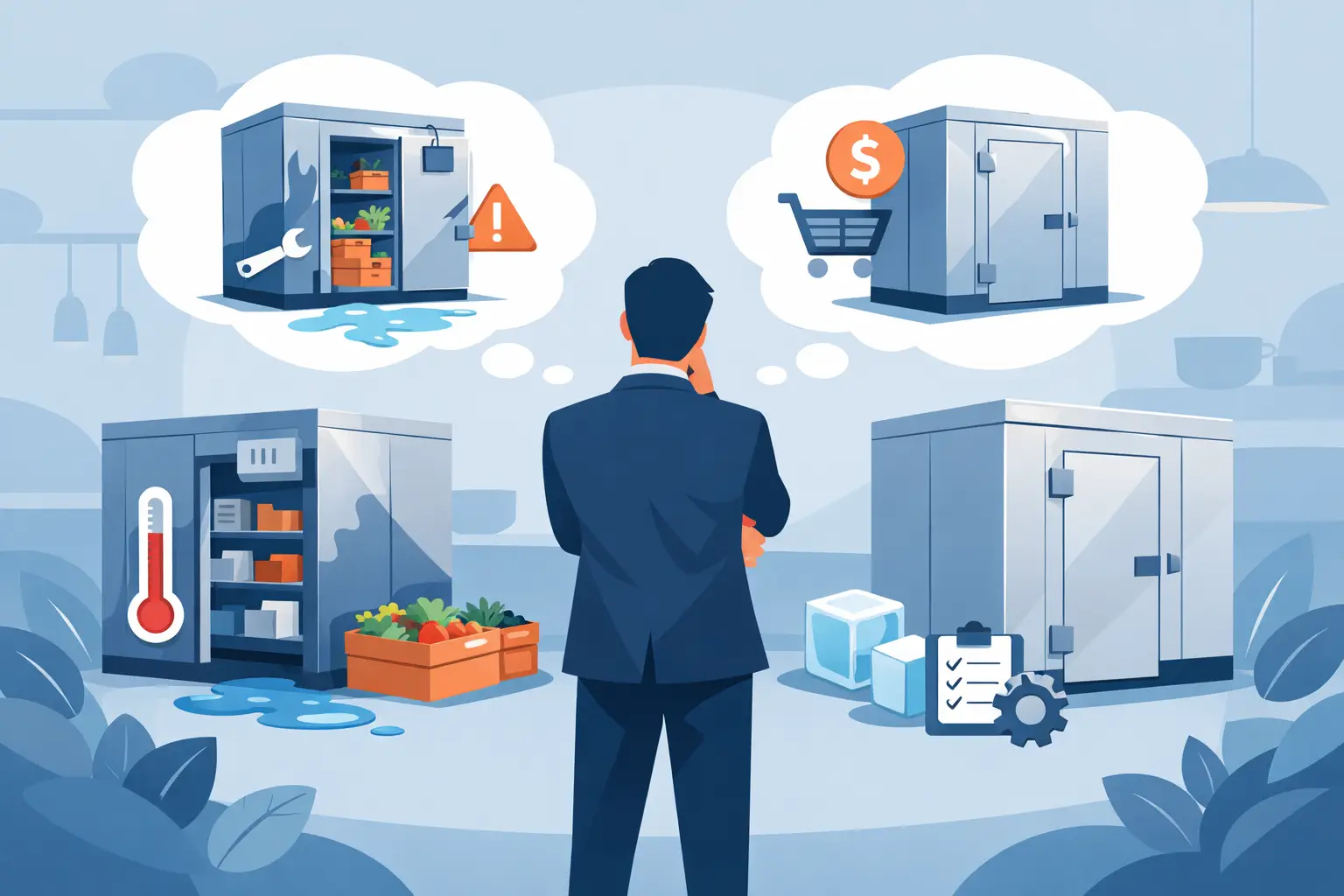
A cooler that cannot hold temperature turns a normal prep shift into a costly problem. Restaurant cooler replacement is not just an equipment purchase – it is a food-safety decision, an operating-cost decision, and a way to keep your kitchen moving when demand is high.
Waiting until a unit fails completely can mean emergency product transfers, spoiled inventory, lost sales, and a rushed purchase that may not fit your space or workflow. Knowing what to look for gives your team time to compare options, confirm dimensions, and choose equipment that supports the way your kitchen actually works.
Restaurant Cooler Replacement Starts With the Warning Signs
Most commercial coolers do not stop working without notice. They often become less dependable over time. A unit that runs longer, struggles during busy hours, or needs repeated service is telling you that its useful life may be nearing the end.
Temperature inconsistency is one of the clearest signs. Refrigerated food should generally stay at 41°F or below. If the display shows safe temperatures but an independent thermometer tells a different story, investigate right away. Warm spots near doors, on upper shelves, or around loaded pans can put inventory at risk even when the cooler appears to be running.
Rising energy use can be another clue. Older equipment may have worn door gaskets, weak insulation, dirty condenser coils, or a failing compressor. These issues force the system to run harder. A repair may make sense for a single minor problem, but repeated service calls can quickly cost more than putting that money toward a replacement.
Watch for physical and operational changes as well. Excessive frost, water pooling around the base, loud cycling, hot exterior panels, loose doors, cracked liners, and rust are all worth attention. So is a cooler that no longer provides enough usable storage for your menu volume. Equipment can still technically work while no longer working well for the business.
A practical rule is to compare the repair estimate with the unit’s age, service history, energy use, and current condition. If a major repair is expensive and the cooler has had several recent issues, replacement is often the more predictable choice. If the unit is newer and the problem is isolated, repair may be reasonable.
Choose the Cooler Type Before You Compare Features
The right replacement depends on where the cooler sits in your operation and how employees use it. A reach-in refrigerator works well for back-of-house ingredient storage and frequent access. A glass-door merchandiser makes sense for beverages, grab-and-go items, or customer-facing displays. Undercounter and worktop units help compact kitchens keep ingredients close to the prep line.
Walk-in refrigeration is a different purchase. It requires careful planning around available floor space, door placement, shelving, insulation, refrigeration components, and installation conditions. For a small restaurant, a properly sized reach-in may be more affordable and easier to manage. For a high-volume kitchen, insufficient cold storage can create daily bottlenecks that affect receiving, prep, and service.
Do not choose solely by exterior size. Look at usable interior capacity, shelf layout, pan compatibility, door swing, and clearance around the unit. A larger cabinet is not helpful if it blocks a walkway or prevents staff from opening adjacent equipment. Measure the intended location, including doorways, corners, elevators, and delivery paths before ordering.
Capacity Should Match Your Actual Inventory
Start with the products that need refrigeration during your busiest period. Consider produce, proteins, dairy, sauces, prepared foods, beverages, and backup inventory. Then account for the space needed between products for cold air to circulate.
Overpacking a cooler can reduce airflow and create uneven temperatures. Buying too much capacity, however, can waste valuable floor space and increase energy costs. The best fit leaves room for growth without turning the kitchen into an obstacle course.
If your team handles multiple product categories, think about organization too. Separate storage areas can support better inventory rotation and reduce cross-contamination risk. Adjustable shelves and easy-to-clean interiors make daily routines simpler for busy staff.
Check Food Safety and Performance Details
A replacement cooler should make safe storage easier, not harder. Look for a clear, easy-to-read temperature display and controls your staff can understand without extra steps. Digital monitoring is useful, but employees should still verify temperatures with an appropriate thermometer as part of regular kitchen procedures.
Door design matters more than it may seem. Self-closing doors help limit warm-air exposure during service. Strong gaskets create a tighter seal, while durable hinges and handles stand up better to frequent use. For kitchens with constant traffic, full doors may protect temperatures more effectively than glass doors. For customer areas, glass doors can improve visibility and encourage beverage sales. The right choice depends on the setting.
Consider the surrounding environment. A cooler placed near cooking equipment, in a hot storage area, or against a wall without proper clearance may have to work harder. Review the manufacturer’s installation requirements for ventilation and ambient temperature. Leaving room for maintenance access can also prevent a small service issue from becoming a major disruption later.
Energy efficiency should be part of the decision, especially for equipment that runs around the clock. Efficient lighting, well-fitted doors, quality insulation, and modern refrigeration components can help lower operating costs over time. The lowest upfront price is not always the lowest total cost of ownership.
Plan the Purchase So Service Does Not Stop
Restaurant cooler replacement is easier when you make a plan before delivery day. Confirm the electrical requirements, outlet location, floor condition, and installation path. If the old unit must remain in service until the new one arrives, arrange the swap carefully so food stays at safe temperatures throughout the transition.
Before the new equipment is delivered, clear the area and confirm who will receive it. Measure again. It is far better to find a tight doorway before a large commercial cooler arrives than during unloading. Check whether your location needs help moving the unit into place, removing old equipment, or coordinating installation with a qualified technician.
Once the cooler is positioned, allow it to operate as directed before loading it with food. Verify that it reaches and maintains the proper temperature. Train staff on where products belong, how to avoid blocking vents, and what to do if the temperature rises above the safe range.
A simple response plan protects both food and service. If a cooler begins warming, move perishable products to another approved unit when possible, check temperatures, and follow your established food-safety procedures. Do not rely on a closed door alone to solve an active refrigeration problem.
Buy for Reliability, Not Just the Immediate Emergency
A commercial cooler is a daily-use asset. The best replacement supports your menu, your available space, and your team’s pace. It should be sized for normal demand, built for the access pattern in that location, and practical to clean and maintain.
For businesses managing office, property, or foodservice purchases across several categories, JASI Solution can help simplify sourcing with dependable product options and customer-focused support. When a specific item is difficult to locate, supplier-assisted sourcing can save time compared with starting the search from scratch.
Keep the model details, purchase date, warranty information, and maintenance records together after the purchase. Clean condenser coils on schedule, inspect door gaskets, avoid overloading shelves, and address unusual sounds or temperature changes early. These basic habits help protect the new equipment and make future decisions less urgent.
A well-timed replacement gives your kitchen something more valuable than a new appliance: confidence that the next busy service will not depend on a cooler that is already asking to be replaced.